


By Sobha Interiors
Bangalore’s office landscape is evolving quickly. With tech & startup culture deeply rooted, hybrid working models, sustainability imperatives, and employee wellbeing taking center stage, corporate interior design in 2025 is about more than just aesthetics it’s about how spaces function, inspire, and adapt. Here are the leading trends shaping Corporate interior design in Bangalore this year.
1. Flexible, Activity-Based Workspaces
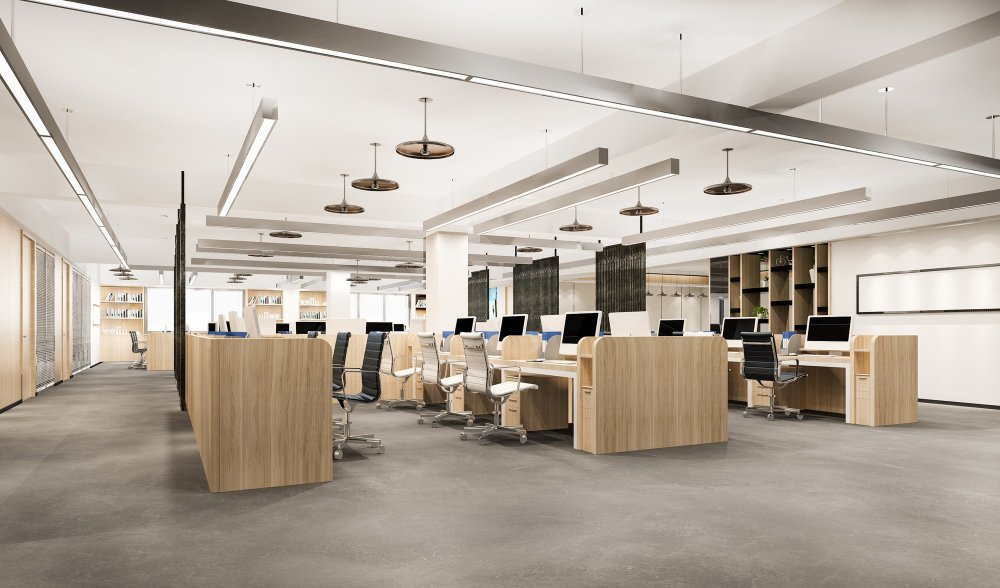
Gone are the days of rigid cubicles and fixed layouts. Companies are increasingly adopting activity-based working zones: spaces dedicated for focused individual work, collaborative teamwork, casual huddles, video calls, and even relaxation.
Design strategies include:
-
Modular furniture that can be reconfigured depending on team size or meeting type.
-
Sound-proof pods or phone booths for private calls.
-
Open breakout areas with lounge seating for more informal interactions.
In Bangalore, where real estate comes at a premium, offices are learning to do more with less—maximizing each square foot by making zones multifunctional.
2. Biophilic Design & Indoor Greenery
One of the strongest trends is bringing nature inside. Plants, natural light, wood, stone, and water elements are no longer optional—they’re central. Whitehills Interior+2Table Space+2
Why it’s catching on:
-
Improves air quality, mood, productivity.
-
Helps counterbalance the stress of urban life and Bangalore’s traffic & pollution.
-
Adds aesthetic value—green walls, indoor planters, natural textures.
3. Wellness, Ergonomics & Employee Comfort
Well-being is intertwined with productivity. The design of office furniture, layout, lighting, thermal comfort, and acoustics is being reconsidered with health in mind. Whitehills Interior+1
Key features of this trend:
-
Sit-stand or adjustable height desks.
-
Ergonomic chairs, supportive furnishings.
-
Quiet rooms or meditation / relaxation zones.
-
Better acoustic treatments so noise doesn’t hamper concentration.
In Bangalore, companies are realizing that investing in wellness zones reduces burnout, improves retention, and becomes part of the employer brand.
4. Sustainable Green Design
Sustainability is not just a buzzword—it’s a necessity. From materials to energy usage to waste management, corporate offices are going greener. Whitehills Interior+1
Some specific strategies:
-
Use of eco-friendly, locally sourced materials (reclaimed wood, bamboo, low-VOC paints).
-
Energy-efficient lighting, HVAC systems.
-
Water‐saving fixtures, waste recycling, and green certifications.
-
Passive design elements: daylighting, natural ventilation.
In Bangalore’s relatively moderate climate, well-designed facades, shading elements, and smart ventilation can lower energy costs significantly.
5. Smart & Tech-Integrated Office Spaces
Technology is woven into the physical environment: not just computers & networks, but built-in smart controls. Whitehills Interior+1
Expect to see more of:
-
IoT systems for lighting, temperature, air purification.
-
Sensors to monitor and optimize space usage.
-
Desk availability / room booking systems.
-
Integrated A/V for virtual / hybrid meetings.
For Bangalore offices, this means smoother coordination between onsite and remote teams, efficient use of resources, and better adaptability.
6. Hospitality-Led Workplace Experience
Employees expect offices to feel less like industrial work zones, and more like places they want to come to. Amenities, ambience, and aesthetics are more hotel or boutique lounge-inspired. Table Space
Elements of this include:
-
Comfortable reception and lounge spaces.
-
Cafés, snack bars, or refreshment zones with high-quality finishes.
-
Stylish lighting, décor, art that aligns with the brand identity.
-
Warm materials, textures, and finishes to soften sterile or utilitarian spaces.
7. Colour, Texture & Material Trends
While functionality and greenery dominate, how things look still matters. The right colour palettes, materials, and textures imbue spaces with character.
Some observations:
|
Trend |
Details |
|
Warm Neutrals + Earthy Palettes |
Soft beiges, taupes, clay tones, muted greens dominate base colours. |
|
Accent Colours / Bold Finishings |
Jewel tones, feature walls, 3D panels, textured or fluted wall surfaces are used in moderation to create focal points. |
|
Natural & Textured Materials |
Wood, stone, rattan, exposed concrete, terracotta – raw or lightly finished – bring warmth and tactile interest. |
|
Statement Lighting & Details |
Oversized pendants, sculptural fixtures, integrated LED imaginative lighting. |
8. Hybrid-First Design
With hybrid work becoming the norm post-pandemic, offices in Bangalore are being designed to support intermittent in-office presence. Whitehills Interior+1
Key features:
-
Shared desks or hotel-desking (desks not permanently assigned).
-
Virtual-meeting friendly rooms with good acoustics and tech support.
-
Flexible schedules reflected in layout: more communal & meeting spaces vs. fixed individual workstations.
9. Local Context & Cultural Touches
While global trends influence design, Bangalore offices are increasingly blending in local identity, culture, climate, and craftsmanship. This brings authenticity and helps build connection with local employees and clients.
Some ways this is manifesting:
-
Using local stone, wood, or crafts in furniture, partitions, or décor.
-
Colours or art that draw from local flora/fauna, traditions.
-
Designing façades or courtyards that respect Bangalore’s climate (monsoons, heat, natural light).
-
Adapting designs to the city’s infrastructure constraints (narrow plots, power backup, water scarcity).
Why These Trends Matter for Bangalore Corporate Spaces
-
Talent Attraction & Retention: Professionals, especially in tech, are choosing employers not only by salary but by the workspace environment. An inspiring, healthy, well-designed office matters.
-
Cost Savings & Sustainability: Energy efficiency, smart designs, local materials can reduce operating and maintenance costs long term.
-
Adaptability: Given shifts in working patterns, business growth, and uncertainty, having spaces that can be reconfigured saves waste and expense.
-
Regulatory & Global Standards Pressure: Environmental regulations, green building norms, employee wellness mandates will only increase.
How Sobha Interiors Helps You Ride These Trends
At Sobha Interiors, we believe in creating workplaces that are beautiful and purpose-driven. Here’s how we bring these trends into reality:
-
Conducting careful space-use studies to identify zones and usage patterns before design.
-
Partnering with local craftsmen for material sourcing and detailing, ensuring authenticity and sustainability.
-
Integrating built-in smart tech from day one so the infrastructure supports future upgrades.
-
Prioritising wellness in design: daylight, ventilation, ergonomics.
-
Customisation: every brand and organization has its own culture; we try to reflect that through finishes, art, colours, layout.
Looking Ahead: What’s Next Post-2025
While 2025 has strong themes, some signs suggest future directions:
-
More immersive experiences with VR/AR in offices (for training, meetings, collaboration).
-
Biophilic systems that are not just decorative but functional (green façades, indoor farms, living walls with air-purification).
-
Circular-economy design: reuse, disassembly, recycling of fit-outs.
-
Increasing impact of AI in managing building systems (predictive maintenance, dynamic environmental control).
Conclusion
Corporate interior design in Bangalore for 2025 is far more than style. It’s about shaping experiences—supporting wellness, collaboration, efficiency, and sustainability—while reflecting local identity. For organizations that want to stay relevant, productive, and appealing, aligning your workspace with these trends is no longer optional—it’s strategic.
If you’re considering an upgrade, renovation, or new fit-out, Sobha Interiors is ready to partner with you to create a workspace that stands out, works well, and inspires.





Comments (0)
Leave a Comment
No comments yet. Be the first to comment!